What soft washing is intended to do
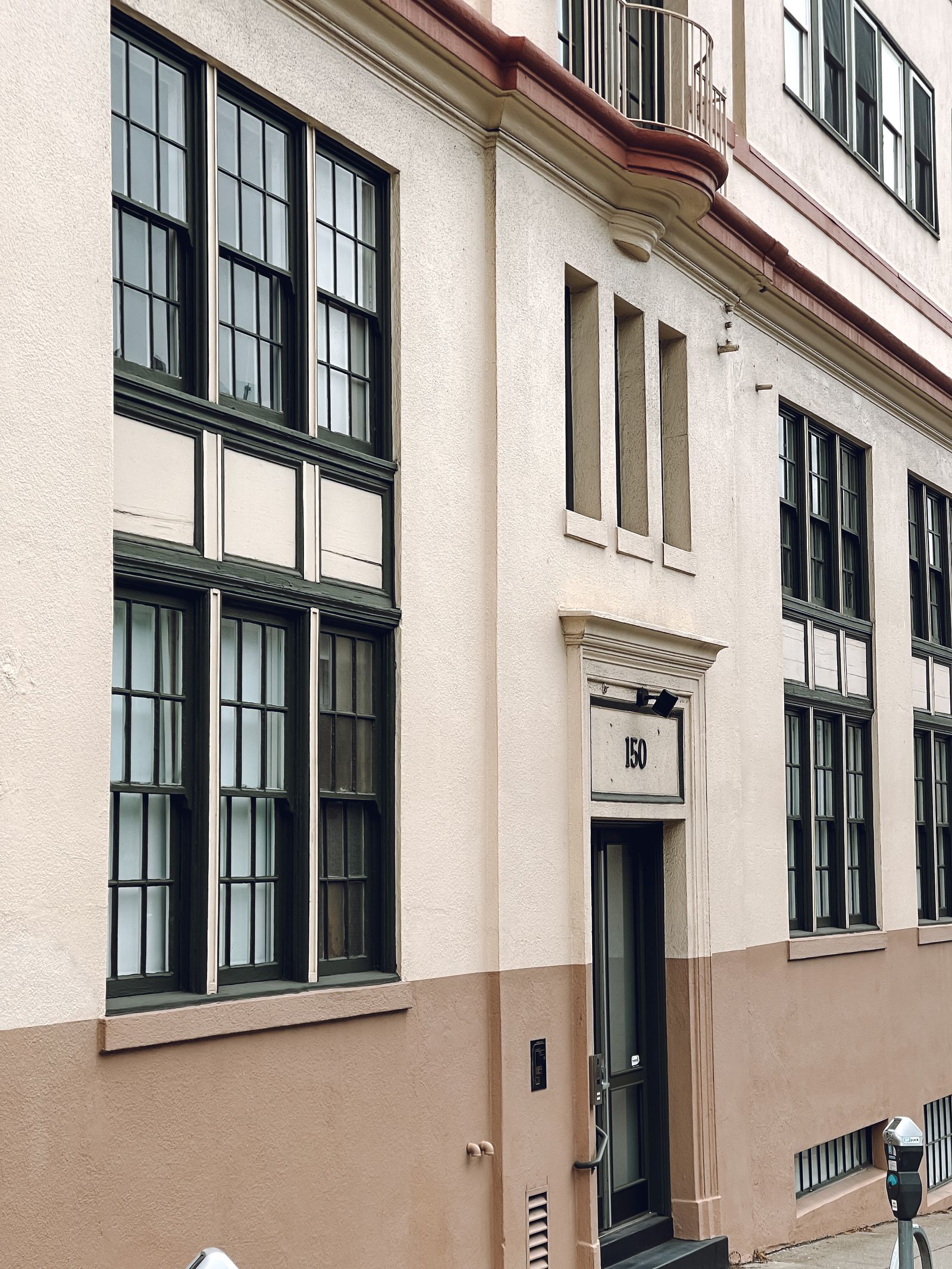
Soft washing generally uses a compatible cleaning solution, controlled dwell time, and a measured lower-pressure rinse to loosen or remove organic growth and atmospheric soil from surfaces that have been tested. On a Cape Coral stucco wall, shaded soffit, painted concrete elevation, or compatible architectural panel, the objective is to address the source of visible biological staining without relying on an aggressive impact. The method can be useful where a facade has algae, mildew, pollen, or general film and where overspray, landscaping, public access, and water movement can be planned.
Soft washing is not automatically gentle for every material, plant, coating, or waterway. Products must be selected and used with the surface, dwell time, nearby landscaping, air intakes, occupants, and water-management plan in mind. A test area matters because color, age, porosity, repairs, sealants, and previous coatings can change the result. The proposal should explain the intended finish, required precautions, and conditions that need specialty treatment or repair rather than presenting a chemical application as a universal answer.
Where pressure washing can help and where it can hurt
Pressure washing can be useful on suitable hardscape, concrete approaches, loading areas, curbs, certain masonry conditions, and controlled detail work when the pressure, nozzle, distance, water volume, and runoff plan are appropriate. It can help remove some loose soil from durable surfaces, but the correct setting is determined by the substrate and the desired finish, not by the maximum capability of the machine. Cape Coral retail sidewalks, parking structures, dumpster pads, and service areas may have different cleaning needs from a painted stucco wall above a resident entrance.
Excessive pressure can etch concrete, drive water behind stucco or siding, damage coatings, strip paint, open a joint, break a seal, scar soft masonry, force debris into vents, or create a visibly uneven pattern. It can also move dirty water quickly toward a curb inlet, canal edge, planted bed, or occupied route. Asking for the machine's pressure rating is less useful than asking what pressure and method will be tested on each material, how water will be controlled, and who owns the plan if the surface or drainage condition changes.
Match the method to Cape Coral's common commercial surfaces
Stucco and painted concrete often call for a tested, controlled approach that respects coatings, cracks, repairs, windows, doors, and sealants. EIFS, architectural panels, metal, tile, glass, and decorative trim each need their own compatibility review. Concrete sidewalks and loading areas may tolerate a different contact method than an upper wall. A waterfront condominium can have salt film on railings and balconies, algae in shaded corners, mineral deposits near irrigation, and delicate landscaping below the same elevation. A retail center can have road film and gum on hardscape while the storefront requires controlled detail work.
The visible mark also matters. Organic growth may respond to an appropriate soft-wash process. Mineral scale, oxidation, construction residue, adhesive, graffiti, bird residue, and failed coating may require a different tested treatment. Pressure alone may spread or abrade a deposit, while chemistry alone may not remove a bonded residue. A professional scope separates facade washing from glass restoration, hard-water treatment, oxidation removal, coating repair, sealant work, and replacement. That prevents a basic maintenance wash from being judged against a restoration result it was never designed to deliver.
Consider residents, tenants, patients, and guests
The best method on paper can be the wrong method for an occupied site if it creates unacceptable noise, mist, wet paths, blocked entrances, or uncontrolled movement. Cape Coral HOAs and condominiums may have residents, pool reservations, private roads, garages, docks, elevators, and board notices. Retail centers along Pine Island Road or Santa Barbara Boulevard may need storefronts and accessible routes open during business hours. Hotels need guest arrival, valet, housekeeping, pool, and outdoor dining coordination. Medical and office properties need patient circulation, staff access, deliveries, fire lanes, and air intakes protected.
A quote should describe work windows, staging, barriers, hose routing, public separation, warning signs, wet-pavement controls, communication, and the handback check. Phasing can keep a main entrance open while a side elevation is completed. If a pressure method would create unacceptable splash or noise, a controlled soft-wash or hybrid sequence may be more suitable. If a low-pressure method cannot achieve the requested finish on a detail, a separately controlled contact method may be appropriate. The decision should be made around the entire operating site, not a photograph of one wall.
Account for salt, storms, humidity, and drainage
Cape Coral's waterfront exposure and warm, humid climate can leave salt film, algae, mildew, pollen, and rain-related soil on exposed and shaded elevations. Summer storms can add wind-driven debris, standing water, and new organic residue. Irrigation may leave mineral marks around entries and planted areas. A method that removes one condition may not prevent another from returning, so the owner should ask whether the recommendation is a one-time appearance reset or part of a recurring maintenance plan. Exposure, shade, landscaping, traffic, and the property's finish standard should influence frequency.
Drainage planning is part of method selection. A high-volume rinse can move soil and product faster than a controlled low-pressure sequence, but either method can create a problem if a slope leads toward a canal, pool, storm drain, neighboring parcel, or occupied sidewalk. Map low points, curb inlets, retention areas, canal edges, air intakes, doors, and plants before work. Use diversion, collection, recovery, reduced rinse volume, filtration, or other appropriate controls based on the products and site. A visible storm drain is not automatic permission to discharge wash water, and a clean-looking wall is not a successful closeout if runoff creates a new hazard.
- Identify salt film, organic growth, irrigation residue, mineral scale, traffic soil, and coating failure separately.
- Map canals, drains, retention areas, low points, pools, plants, air intakes, and occupied paths.
- Coordinate storms, wind, lightning, drying time, resident activity, and public separation.
- Ask what the recurring maintenance plan should be after the initial cleaning.
Where drone-assisted cleaning fits the decision
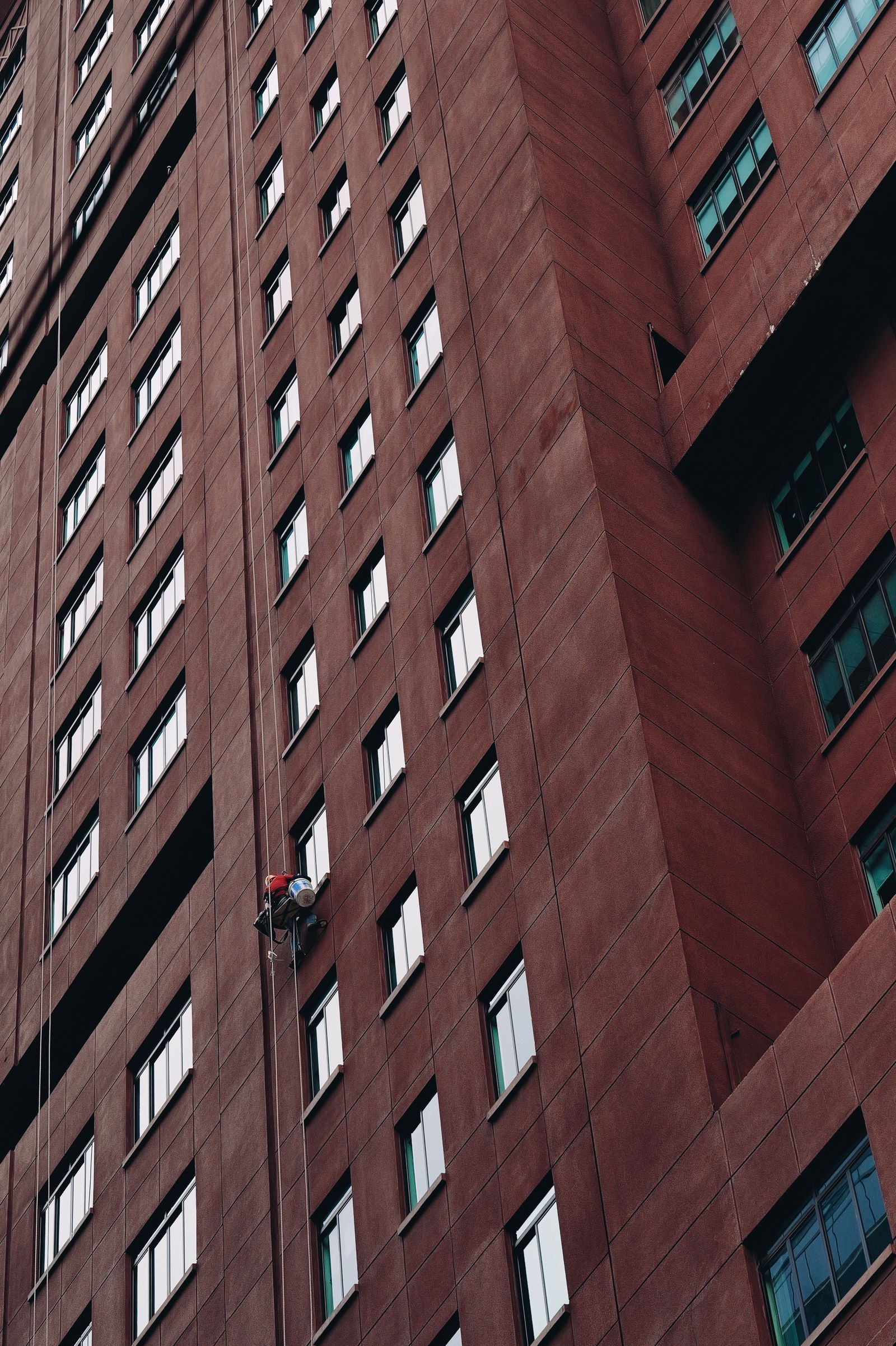
A drone may support selected broad upper elevations when wind, line of sight, airspace, stand-off distance, launch space, water access, and ground controls allow it. That can be useful on a tall, open facade where a lift would be disruptive or where a building has difficult access. It does not mean a drone is the best method for every surface or every side of a Cape Coral building. Palms, power lines, balconies, boat masts, narrow property lines, guest activity, utilities, rooftop equipment, and waterfront wind can change the feasibility from one elevation to the next.
A hybrid plan is often more realistic: aerial assistance for broad compatible wall fields, ground equipment for entrances and lower details, hand or water-fed work for glass and trim, and a separately tested treatment for mineral or bonded deposits. The operating scope should state proposed elevations, public separation, spotter or ground-control roles, communications, emergency-stop procedures, weather limits, and the backup method if conditions change. Commercial operators must comply with applicable FAA requirements and address-specific authorizations. The aerial label should support a clear site plan rather than replace one.
Questions to ask before choosing a Cape Coral contractor
Ask for a material-by-material method, not a generic promise to pressure wash or soft wash the whole property. Request the intended result, test-area process, included elevations, exclusions, water source, runoff plan, plant protection, work windows, public controls, weather limits, access assumptions, and closeout documentation. Ask how the team will handle stucco, EIFS, glass, railings, balconies, canopies, signage, pool areas, canal edges, and the specific deposit visible on your property. If the proposal includes aerial support, ask which surfaces will be reached that way and what happens if wind, airspace, or the required finish makes it unsuitable.
For an accurate Cape Coral quote, send wide and close photos, the property address, approximate height, materials, priority elevations, nearby canals or stormwater features, water availability, preferred dates, and restrictions involving residents, tenants, patients, guests, deliveries, or events. A remote review may be enough to plan the next step, while a site visit or test area may be appropriate for a larger or more complex property. Call +1 239-351-2897, email contact@dronebuildingcleaners.com, or use the quote form to get in touch.